
Aran Clinic · Health library

Health Blog

Simple habits for healthier lungs, stronger bones and easier movement.

General information, not personal medical advice. Illustrations are examples; ask your clinician to demonstrate techniques for you.

Illustration of a woman walking along a leafy park path in the morning

Healthy habits

Everyday habits for healthy lungs

Small choices that help protect your breathing.

Read article
  • Avoid smoking, vaping and second-hand smoke. Ask for support if you want to quit.
  • Stay active at a comfortable pace. Avoid outdoor exercise when air pollution is high, and reduce dust exposure at home.
  • Wash your hands regularly and ask your doctor which vaccinations are suitable for you.
American Lung Association
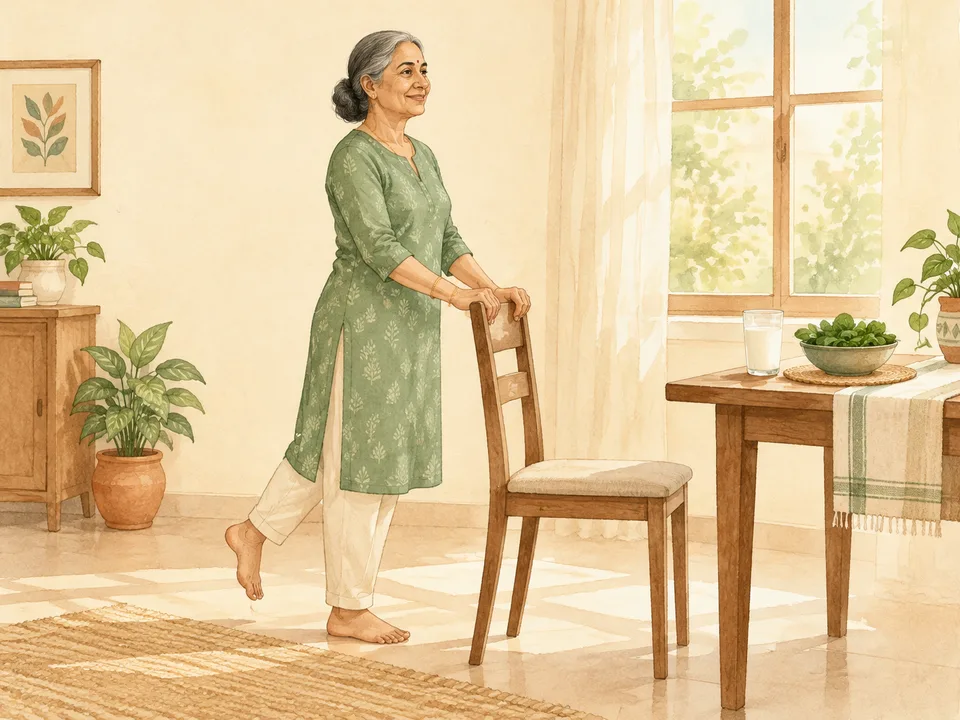
Illustration of an older woman holding a chair back while practising a gentle standing balance exercise, with milk and leafy greens nearby

Healthy habits

Everyday habits for healthy bones

Movement, balanced meals and fewer falls.

Read article
  • Walk regularly and include suitable strengthening and balance activities. Start gently and build up at your own pace.
  • Eat a balanced diet with calcium-rich foods, such as milk, yoghurt or suitable fortified alternatives. Ask about vitamin D if you may be at risk of deficiency.
  • Keep floors clear, improve lighting and wear secure footwear. Avoid smoking and limit alcohol.
NHS: Osteoporosis
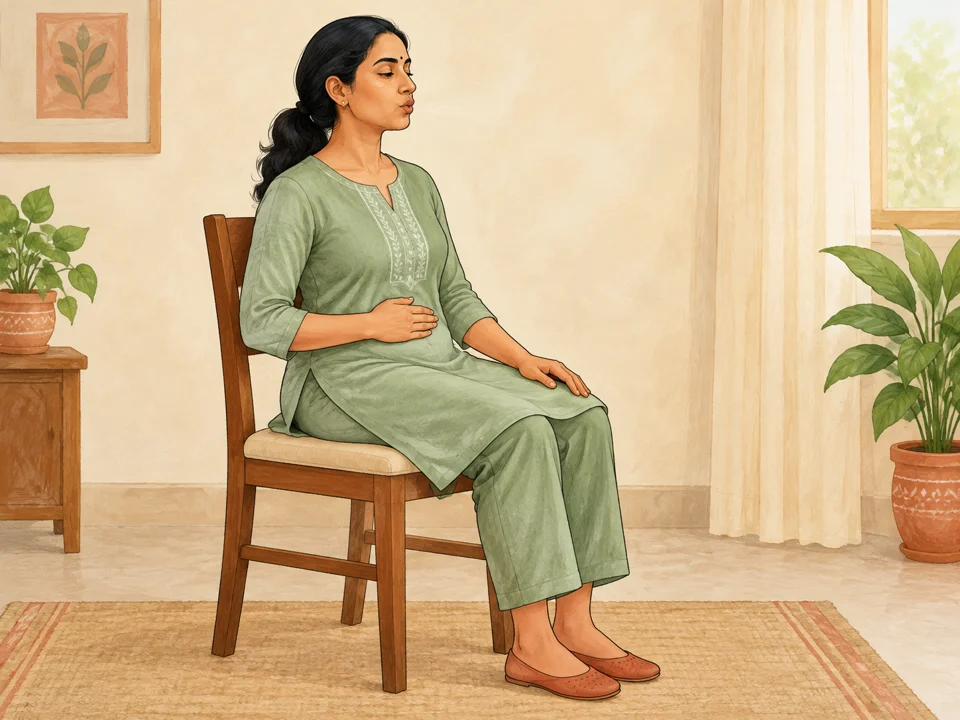
Illustration of a woman sitting upright with relaxed shoulders during breathing practice

Breathing exercises

Slow breathing with pursed lips

A gentle technique to help slow your breathing.

Read article
  • Sit comfortably upright and relax your neck and shoulders. Practise when you are calm and breathing comfortably.
  • Breathe in gently through your nose. Then breathe out slowly through lightly pursed lips, as if gently blowing out a candle.
  • Let the out-breath last longer than the in-breath, without forcing it. Stop if you feel dizzy or more breathless. Ask your clinician to demonstrate.
American Lung Association: Breathing exercises
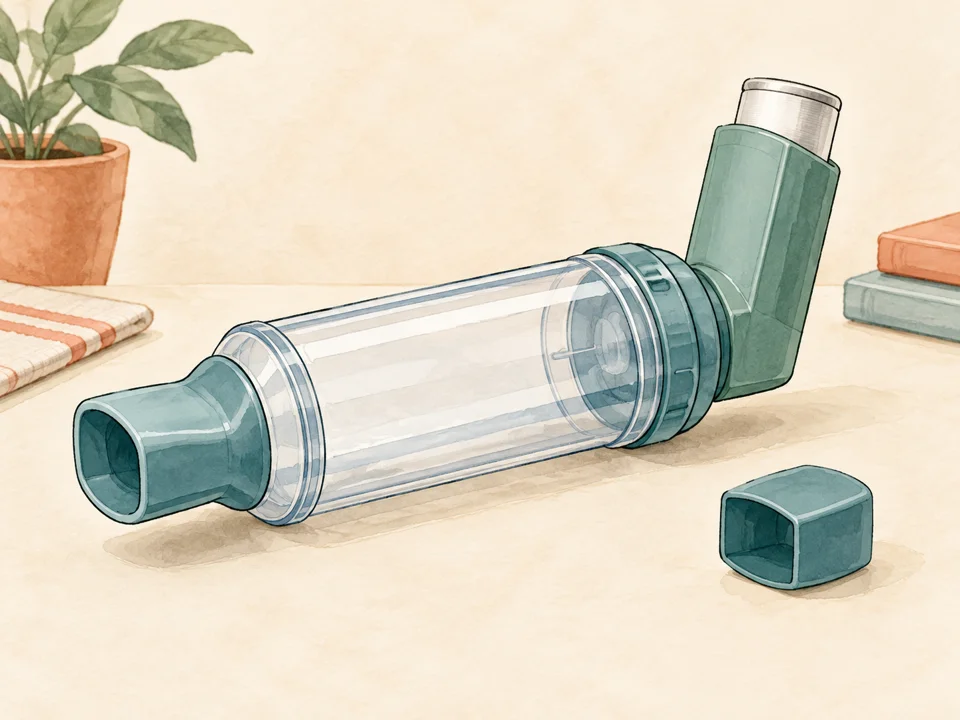
Illustration of a metered-dose inhaler attached to a spacer

Inhaler technique

Getting your inhaler technique right

The right technique depends on your device.

Read article
  • Bring your inhaler to your appointment. Ask your doctor, nurse or pharmacist to watch you use it and show the correct steps.
  • A pressurised metered-dose inhaler and a dry-powder inhaler need different breathing techniques. A compatible spacer may help with a metered-dose inhaler; it is not used with a dry-powder device.
  • Follow your device leaflet and prescribed dose. If your inhaler contains a steroid, rinse your mouth with water and spit it out after use. Check the dose counter and cleaning instructions.
Asthma + Lung UK: Device-specific demonstrations
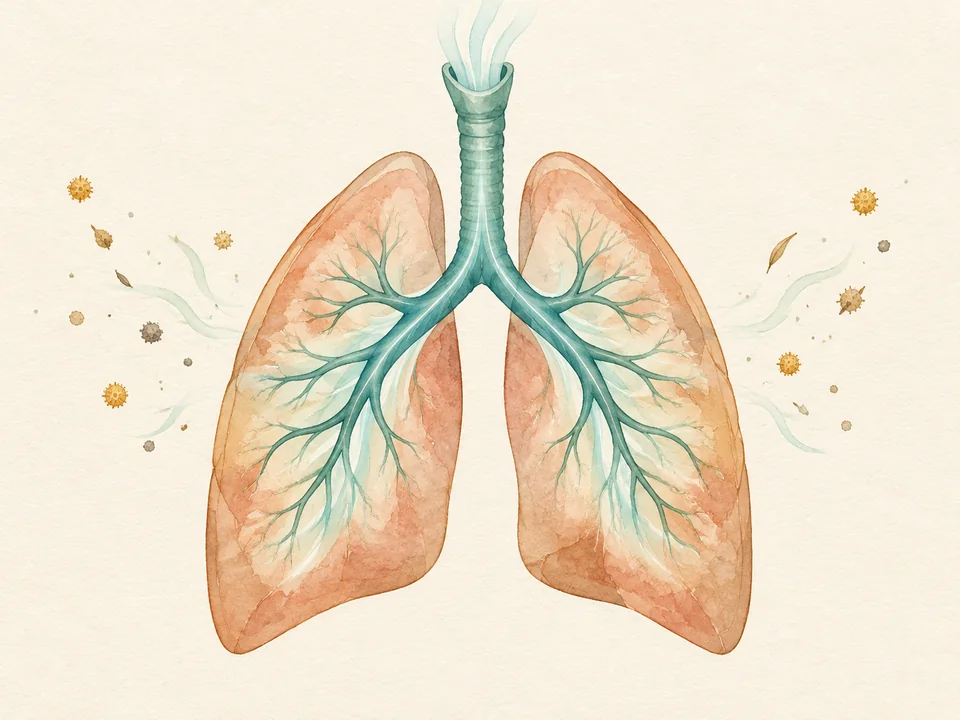
Illustration of a pair of lungs with clean air flowing through open airways

Common lung disorders

Asthma, in simple words

Wheezing, cough and chest tightness can come and go.

Read article
  • Asthma makes the airways inflamed and narrow. Symptoms may be worse at night or around triggers such as dust, smoke or pollen.
  • A doctor may recommend breathing tests because other conditions can cause similar symptoms.
  • Use your prescribed treatment and keep a written action plan. Arrange a review if symptoms disturb sleep, limit activity or require more reliever use than your plan advises.
NHS: Asthma
Illustration of an older woman walking with a physiotherapist

Physiotherapy & joint care

Back pain: gentle movement helps

Stay gently active and get the right exercise advice.

Read article
  • Back pain often improves over time. When you can, continue comfortable everyday activities rather than staying in bed for long periods.
  • Try short walks and change position regularly. A physiotherapist can choose mobility and strengthening exercises that suit your condition.
  • Do not force a stretch. Stop an exercise if pain gets worse, and arrange a review if pain persists or disrupts daily life.
NHS: Back pain
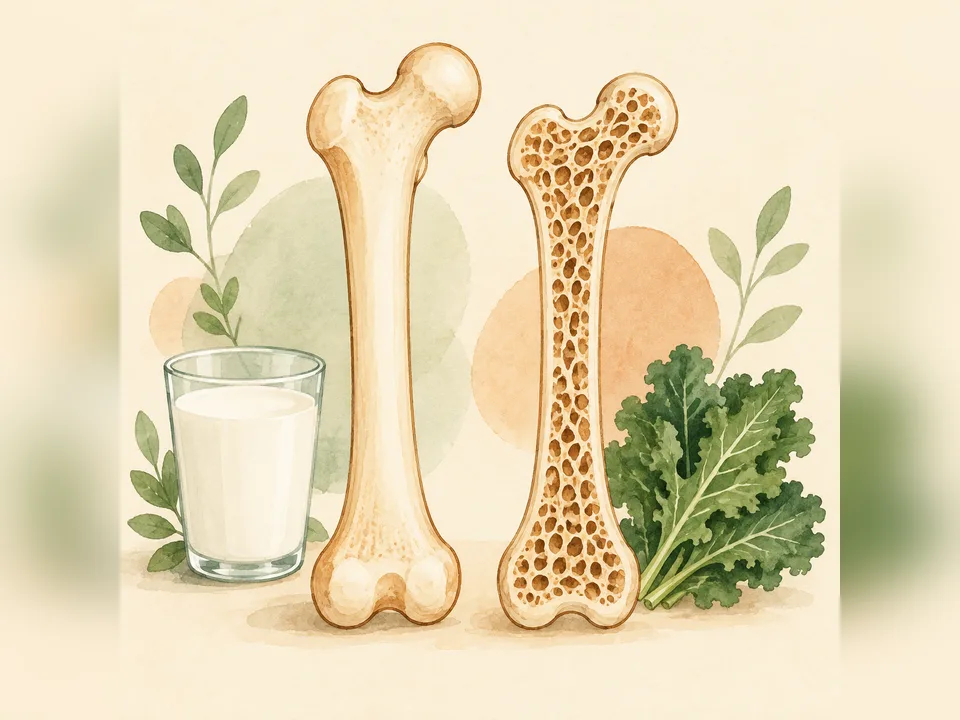
Illustration of two bones side by side, one solid and one with a porous inside, beside a glass of milk and leafy greens

Common bone disorders

Osteoporosis: when bones become fragile

Weak bones may not cause symptoms until a fracture.

Read article
  • Osteoporosis increases fracture risk. It becomes more common with age and after menopause; some illnesses and medicines also increase risk.
  • Tell your doctor about a fracture after a minor fall. They can assess whether you need a bone-density test or treatment.
  • Suitable exercise, calcium and vitamin D, and fall prevention support bone health. A personal plan is especially important after a fracture.
NHS: Osteoporosis

Care that's personal to you

Speak with our lung or bone and joint specialist.

Book an appointment